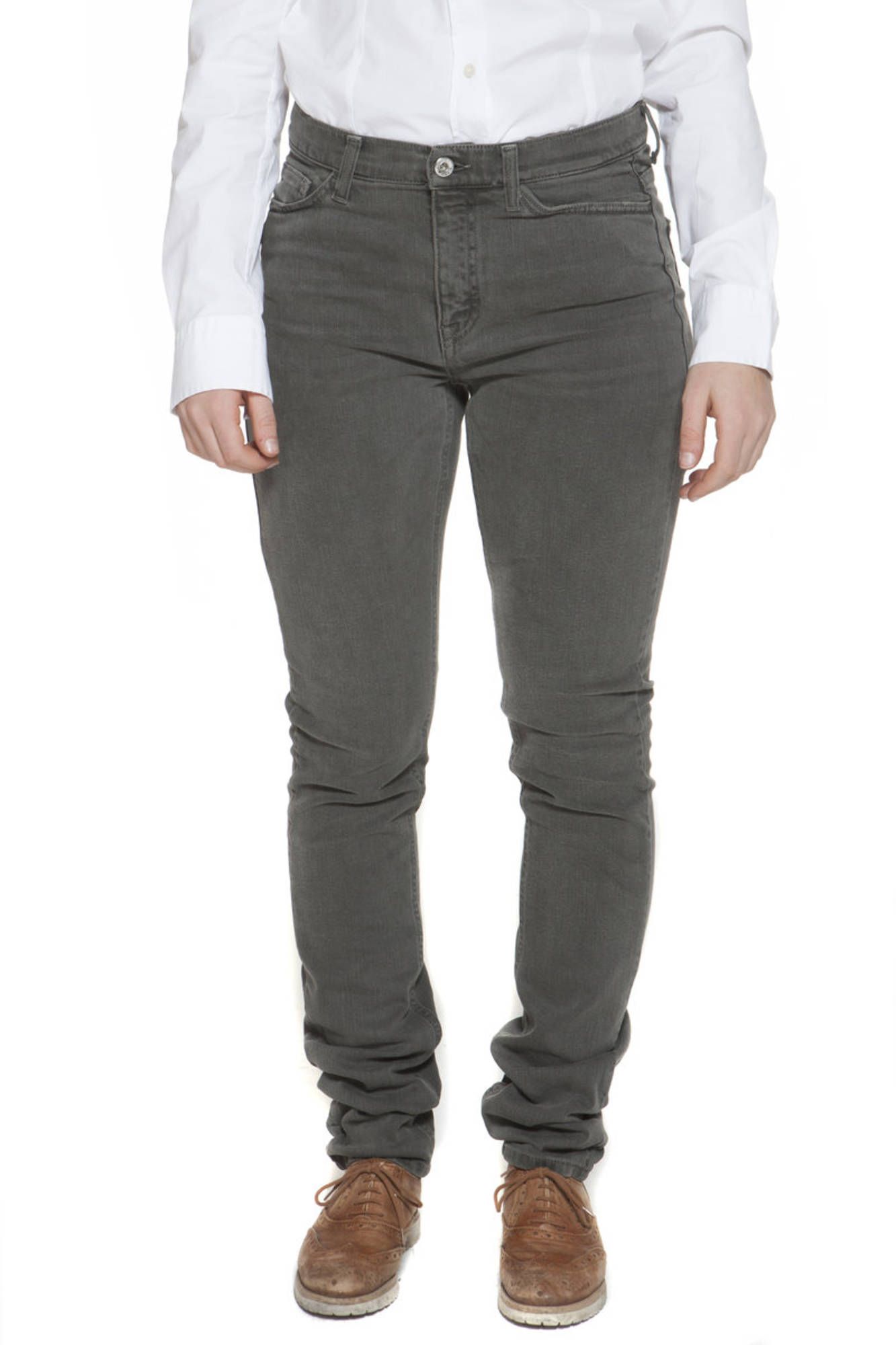
What is a capsule wardrobe
A capsule wardrobe isn't a new trend or a strict diet plan for your closet, but a thoughtful way to make everyday dressing easier. It's a limited number of quality pieces that work together like a well-oiled team. It doesn't mean living in a uniform or giving up your personal style — quite the opposite. The foundation is made up of neutral, timeless pieces that you can easily mix and match, with bolder accents added for personality and a touch of mood. Every piece has a purpose, its place, and at least two roles. When you open your closet in the morning, you're not faced with the chaos of dozens of mismatched items, but a cohesive whole you can piece together almost anything with. The result is less decision-making, fewer moments of "I have nothing to wear," and ultimately a kinder approach to both your wallet and the planet. A capsule wardrobe isn't about numbers you have to strictly follow, but about the principle: less, but more considered. It's more of an attitude than an obligation — and once you get it, you'll never want to go back.
Why less is more
When you open a closet full of clothes and still don't know what to wear, the problem isn't a lack of pieces, but their lack of harmony. A capsule wardrobe solves this fragmentation radically simply: instead of hundreds of items that don't go together, you keep a limited set of clothes where every piece coordinates with every other. Fewer pieces means less decision-making in the morning, less time spent shuffling hangers, and less money sunk into clothes you wear twice a year. At the same time, your relationship with your wardrobe shifts — instead of chasing fast trends, you start wearing individual pieces more often, get to know them better, and learn to combine them into fresh outfits. The freed-up space in your closet isn't emptiness, but room for thoughtful choices. More of what you actually wear, and less of what just gets pushed to the back. The result is a wardrobe that works as a whole, not a mismatched collection of random purchases.
The basic rules of selection
The basic rules of selection can be summed up in three words: neutrality, fit, and function. A neutral palette — beige, black, gray, denim — isn't boring but practical: it's precisely what allows every piece to pair with every other. Save the color accents for accessories, which you can switch up with your mood. Fit matters just as much. A quality silhouette that sits well across the shoulders and waist turns a simple tee or blazer into a foundation you can lean on all week. The third rule is the toughest: every piece has to pass the function test. If you haven't worn it once in the last thirty days, it doesn't belong in the wardrobe. It's this selection — cutting out what just hangs there — that lies at the heart of capsule thinking. The result isn't a poorer closet, but a clearer one: in the morning you get dressed in minutes, without deliberating, and with the confidence that everything goes together.
30 pieces: the complete list
The building block of a capsule wardrobe isn't quantity, but thoughtfulness. You can divide thirty pieces into three logical groups: tops, bottoms, and shoes with accessories. Tops include a couple of quality white and dark tees, a shirt with a relaxed fit, a turtleneck for colder days, and one lightweight sweater that layers well. Bottoms consist of straight-leg jeans, one pair of dark tailored trousers, a pleated skirt, and a dress that can handle both a work meeting and an evening out. Then there's a pair of footwear — everyday sneakers, ankle boots, and one pair of neutral heels. Accessories give the whole thing its character: a scarf, a simple belt, and a bag that works with several outfits. The key rule is that every piece has to be compatible with at least three others. The number thirty isn't a dogma, but a recommendation — if you don't wear a certain category, you drop one item and add another in its place. The goal is a wardrobe made of pieces that genuinely speak to each other, not one that simply ticks off a prescribed list.
A color palette that works
The key to making thirty pieces truly speak to each other starts long before the wardrobe — it starts with color. There's no universal recipe, but one principle works reliably: pick two neutral colors as your base, add one to two related tones for layering structure, and two statement colors that give your clothes character. Neutrals make sure any two items go together, while the bold colors keep the wardrobe from feeling dull. It's important to stick to one temperature scheme — if you mix warm and cool shades, even a lovely piece starts to look mismatched. So before you buy, check whether the new color really works with what you already have at home. A color palette isn't about restriction, but freedom: when you know everything complements everything else, you can reach for anything in the morning without wasting time figuring out what goes with what.
How to combine pieces into outfits
The key to styling isn't the number of pieces, but the connections you build between them. Start with a neutral base — trousers, skirts, and dresses in muted tones form the skeleton of every outfit, while outerwear and tops in richer colors add punch. Adopt the rule that every piece should speak to at least three others: a blazer that works with both jeans and dresses, a shirt you can wear under a sweater or on its own, or shoes that tie any bottom together. Layering is your greatest ally — the more textures and length contrasts you combine, the more polished the outfit looks, even when you're working with just a few items. Before heading out, always try your clothes on in front of the mirror and add one personal accent, like a piece of jewelry or a shawl. It's that final detail that turns a considered combination into an outfit that looks effortlessly put together, and that lets you feel sure you have something to wear — even after the tenth repeat.
Seasonal capsule rotation
A capsule wardrobe isn't a static system, but a living organism that changes with the seasons. The key is seasonal rotation, not endless shopping. At the end of every season, go through your capsule and separate the pieces you no longer want to wear from the ones worth stashing away for next year. Instead of buying into new trends, focus on filling gaps within a narrow color palette corridor — rather than loud new arrivals, we choose a neutral base and one or two bolder accents. A practical guideline is the 70:30 ratio: seventy percent enduring, timeless cuts, and thirty percent seasonal elements that keep the wardrobe fresh. A natural test is the question: would you wear this piece at least four times over the past three months? If not, it deserves to go or be reconsidered. This way, the capsule doesn't grow, it evolves — and you grow with it, confident that every morning you'll find a combination that speaks for you, no matter the weather outside.
Common mistakes and tips
What breaks a capsule wardrobe isn't the pieces you choose, but the habits you bring along with them. The most common mistake is buying a whole new collection at once — instead of starting from what you already wear, you buy ten pieces that coordinate beautifully but don't fit you. The result is a lovely wardrobe mosaic you never actually wear. The second pitfall: chasing a strict number instead of following your lifestyle. A teacher and a nurse will have a completely different ideal than someone who sits behind a computer all day. The tip is simple — prioritize neutral basics above all, with at most a few statement pieces to bring the whole set to life. Before you shop, try out ten combinations from what you already own, and only then fill in the gaps. And above all: actually wear everything. If a piece hasn't shown up in a single outfit in a month, it probably doesn't belong in the capsule.