Why Layering Is Everywhere This Year
Layering has long since stopped being just a practical necessity for cold days—it's become a distinctive fashion language of its own. This year, several things are working in its favor all at once. The times call for clothing that lasts as long as possible and handles as much as possible, and layers are exactly the recipe for getting the most out of just a few pieces. Transitional weather—freezing in the morning, sunny by the afternoon—practically invites us to think in combinations rather than individual pieces. Add to that a desire for individuality: while a ready-made outfit comes with clearly defined rules, layering is a game in which everyone assembles the result themselves. An open shirt over a tee, a sweater draped over the shoulders, a scarf you can toss aside at any moment—the details make all the difference. So the trend isn't about needing to buy new things. It's about looking into your own closet with fresh eyes and discovering that what you already own works together surprisingly well.
The essential layers you need to own
The foundation of any layering setup rests on a few pieces worth keeping on hand in every closet. Start with a thin T-shirt or turtleneck in a pleasant fabric — it sits against your skin, so it should be comfortable, breathable, and ideally a neutral color that pairs with everything else. The second layer is a shirt, a light sweater, or a flannel top; this is where you create room for texture and pattern that give the outfit character. Over that goes the outer layer — a cardigan, windbreaker, or puffer jacket depending on the temperature. The trick is in the proportions: keep the base layers thin and fitted so they don't create lumps under your outer piece, while the top layer can be bulkier. Don't be afraid to mix lengths, letting just the hem of a longer base piece peek out, and play with collars and cuffs that naturally show through. Once you have these few essential pieces, you can put together dozens of combinations without having to buy anything new.
Colors of Autumn and Winter
This season it pays to embrace colors that echo the mood of the cooler months without feeling dull. Warm, earthy tones remain the foundation—chestnut, caramel, olive, or deep red—which pair easily both with one another and with neutrals like cream, grey, or navy. It's this play of contrasts that makes layering interesting: a dark outer piece over a lighter base layer creates depth and gives your silhouette structure. So don't be afraid to mix warm and cool tones in a single outfit—just tie them together with one shared color that bridges the gap. If you want to liven things up, choose a single bolder accent in the form of a scarf, hat, or gloves, and keep the rest in calmer shades. A rule that works reliably is to stick to no more than three colors per layer and keep the rest neutral. That way you'll look intentional without having to worry about whether the individual pieces actually go together.
Textures instead of patterns
Autumn and winter are practically made for experimenting with textures that don't get much of a chance to shine in spring and summer. While patterns grab attention at first glance, textures work more slowly and subtly – they draw the eye only on closer encounter. Bet on the interplay of materials and their contrasts: soft cashmere next to coarse wool, smooth leather against supple suede, or glossy satin beneath a matte wool coat. It's these differences in surface that give an outfit depth without making it look overdone. The same shade across several different materials creates an elegant monochromatic layer that looks considered and never falls prey to fast-fading trends. Don't be afraid to pair chunky knits with delicate, flowing pieces, or a rough structure with the finest one. But quality is always the foundation – cheap material won't hold a texture on its own and will drag the whole outfit down. Once you learn to read the surfaces of fabrics, a way of dressing opens up to you that stays timeless yet completely your own.
Layering over coats and jackets
The most interesting layers often start above your top. Over a coat or jacket, you can throw on something even lighter and longer — a quilted cloak, a wool throw, or an oversized shirt worn as an outer layer. The key is to work with proportions: when the bottom layer is bulky, the top one should be more airy, and vice versa, so the silhouette doesn't look worn out. Don't be afraid to leave one piece casually unbuttoned, letting the shape and depth of the whole stand out. Mix materials boldly but with feeling — smooth fabric next to a coarse knit, or a glossy surface against a matte one, creates tension that holds the eye. You can harmonize colors in a single tone for an elegant feel, or set a warm and cool shade against each other. What matters is that every additional layer has its reason — warming you, lengthening the line, or adding texture. That's exactly where the magic of urban layering lies, and you can pull it off even with a limited wardrobe.
Winter Shoes and Accessories
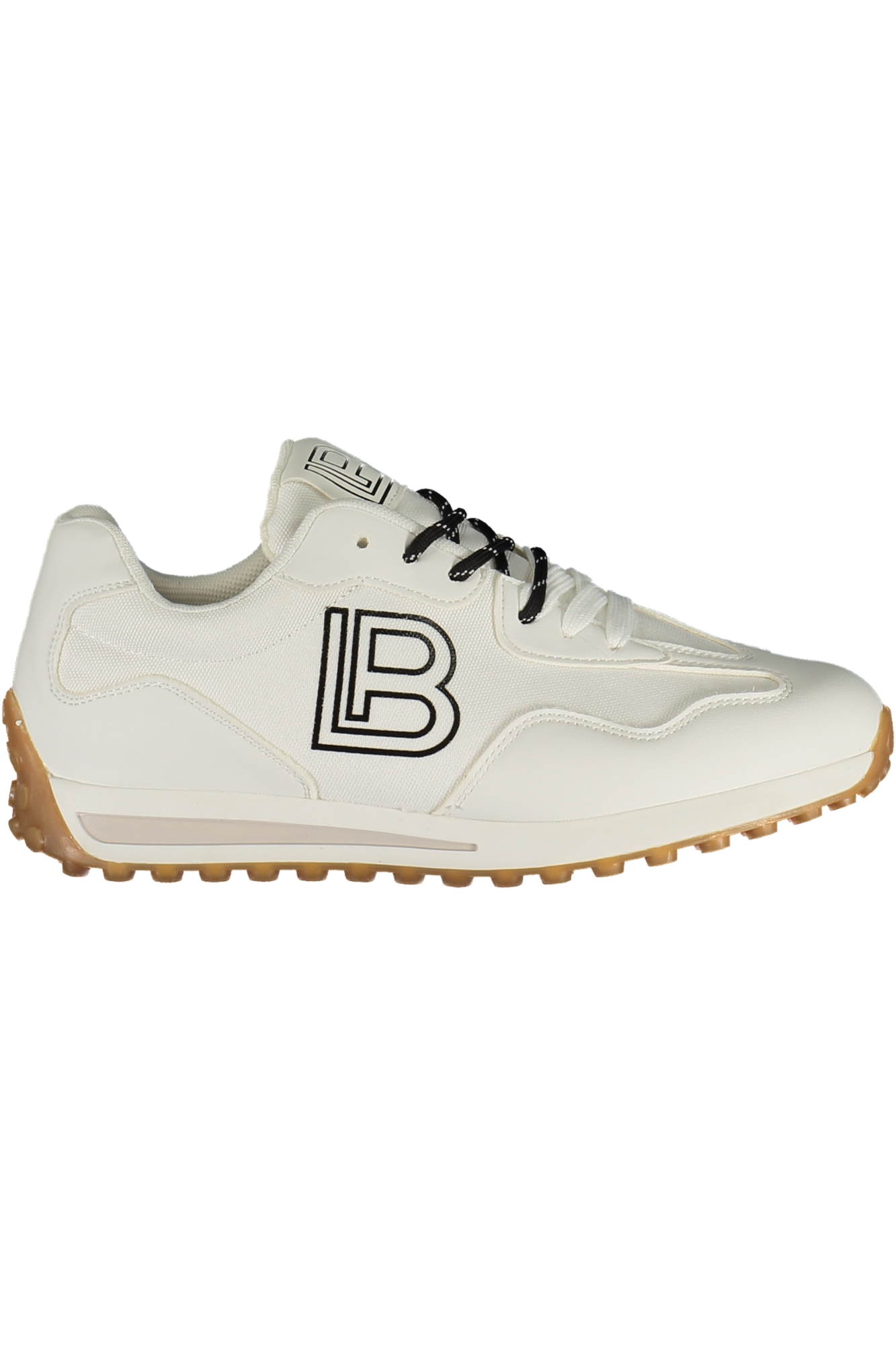
Winter shoes and accessories turn a thoughtful outfit into a complete look, so they're worth taking seriously. The foundation is a pair of shoes that can handle both snow and city sidewalks — you'll appreciate a sturdy, treaded sole, a waterproof upper, and enough room for thicker socks, because cold feet will reliably ruin even the best-dressed appearance. Choose a versatile color and a simple cut, and they'll work with both trousers and skirts and last more than a single season. Among the accessories, scarves, hats, and gloves reign supreme: one set warm and practical, another perhaps lighter and more decorative, so you can switch things up to match your mood and the weather. Textured scarves in wool or cashmere add depth even to an ordinary coat, while a bold hat can light up a neutral combination. Don't forget leather gloves, which flatter both dresses and blazers, and a quality bag roomy enough for everything you need. A few well-chosen pieces let you refresh your silhouette without having to buy an entirely new wardrobe.
Women's vs. men's look
The difference between women's and men's layering isn't in the number of layers, but in how we work with proportion and silhouette. Women's styling often plays with lengths and contrasts – a shorter top layer over a longer shirt, a bulky sweater cinched with a belt at the waist, or a delicate knit that spills over a dress. The key is to create visual interest and let the layers breathe in different textures. Men's layering, by contrast, relies on cleaner lines and structure: a shirt peeking out from both the collar and the bottom hem, a thin vest under a blazer, a sturdy jacket as the final shell. Here, less is often more, and every layer has its precise role. But both genders share one principle – the layers have to harmonize in color and thickness, otherwise the whole thing feels clunky. While a women's look can be more playful and fluid, a men's one aims for clear, well-ordered form. Whichever path you choose, try both – the best layering happens where these two approaches meet.
5 mistakes to avoid
Layering may be playful, but a few mistakes can sink even the most thoughtful outfit. Most often, people bet on too many bold layers at once, so the result looks clunky and becomes unbearable once it heats up. Equally problematic is stacking thick materials on top of each other with no contrast whatsoever – the silhouette blurs and you lose all sense of proportion. Another classic: forgetting that the base layer is visible. Before you pull on a sweater, make sure the tee or shirt underneath matches and isn't poking out in the wrong places. Also steer clear of unnecessary bulk around the waist, where everything piles up and breaks the line. And finally, don't ignore the weather and your surroundings – it's freezing outside, the heat's blasting inside, and anyone who forgets a removable layer will soon be sweating. Layering doesn't mean piling on everything. It means choosing deliberately, letting each layer breathe, and thinking about how it can be comfortably taken off or added throughout the day without losing your style.